Early Years Foundation Stage (EYFS)
Howden le Wear Early Years Foundation Stage comprises of our Lower Early Years Foundation Stage (Howden le Wear Pre-School Nursery) children and our Upper Early Years Foundation Stage (Reception) children. We have two Nursery intakes (morning and afternoon) and one Reception class. Mrs Hunter is our Reception class teacher. Miss Atkinson is our Nursery Lead Practitioner.
The EYFS Framework
The EYFS Framework explains how and what children in our EYFS will be learning to support their development.
Our EYFS pupils learn skills, acquire new knowledge and demonstrate their understanding through seven areas of learning and development.
Children in the EYFS should mostly develop the three prime areas first. These are:
- Communication and language;
- Physical development;
- Personal, social and emotional development.
The EYFS Prime Areas of Learning, play a significant role in encouraging children’s curiosity and enthusiasm for learning. They’re a driving force behind helping children as they learn to form relationships, moderate emotions and thrive in their day-to-day life.
Prime Areas of Learning in the EYFS make up a crucial part of early development. These are then followed by more specified areas of development that are more structured in their approach. Helping children to master the ‘basics’ by meeting the aims in the EYFS Prime Areas of Learning encourages long term skills. Supporting them in their development during EYFS is a way to help them grasp the underpinning skills they need to exceed in specific learning areas in the future.
These are:
- Literacy;
- Mathematics;
- Understanding the World;
- Expressive arts and design.
These seven areas are used to plan our EYFS children’s learning and activities. Our EYFS staff members teach and support the EYFS children, making sure that the activities taking place in the EYFS unit are suited to each child’s unique needs.
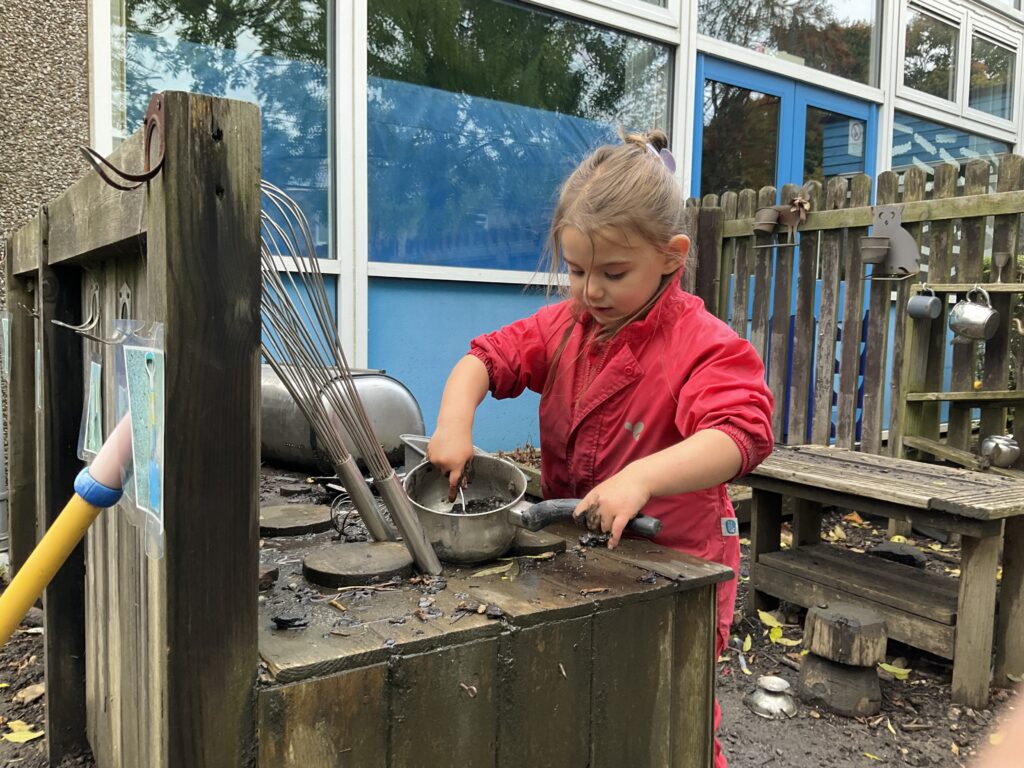
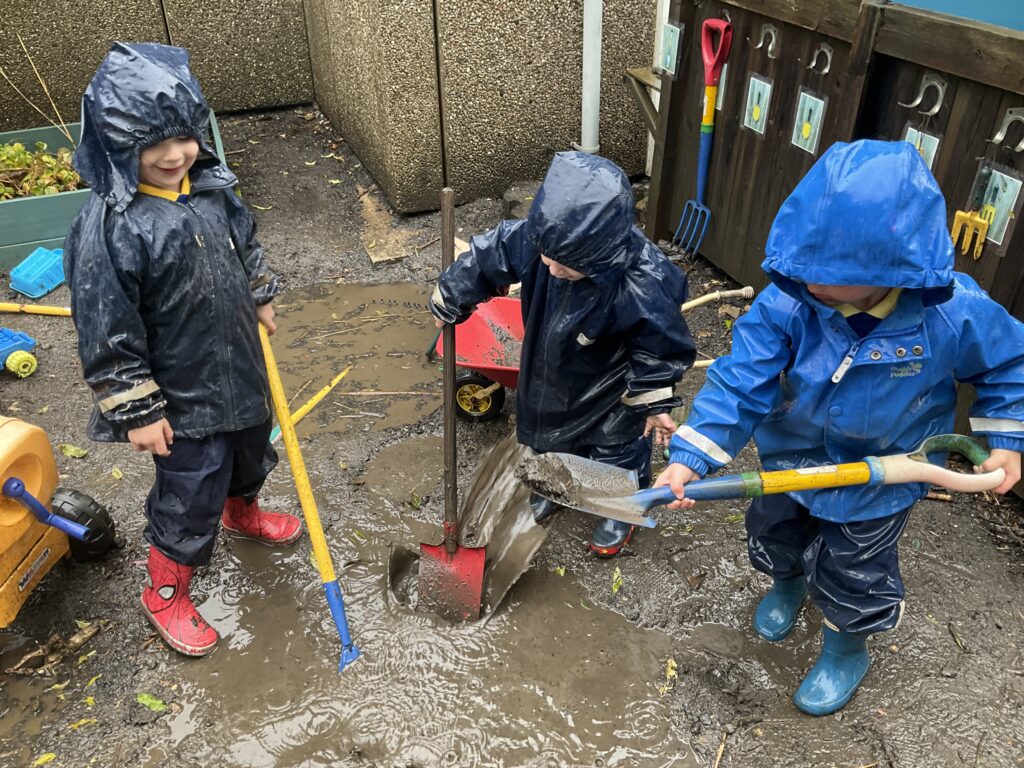
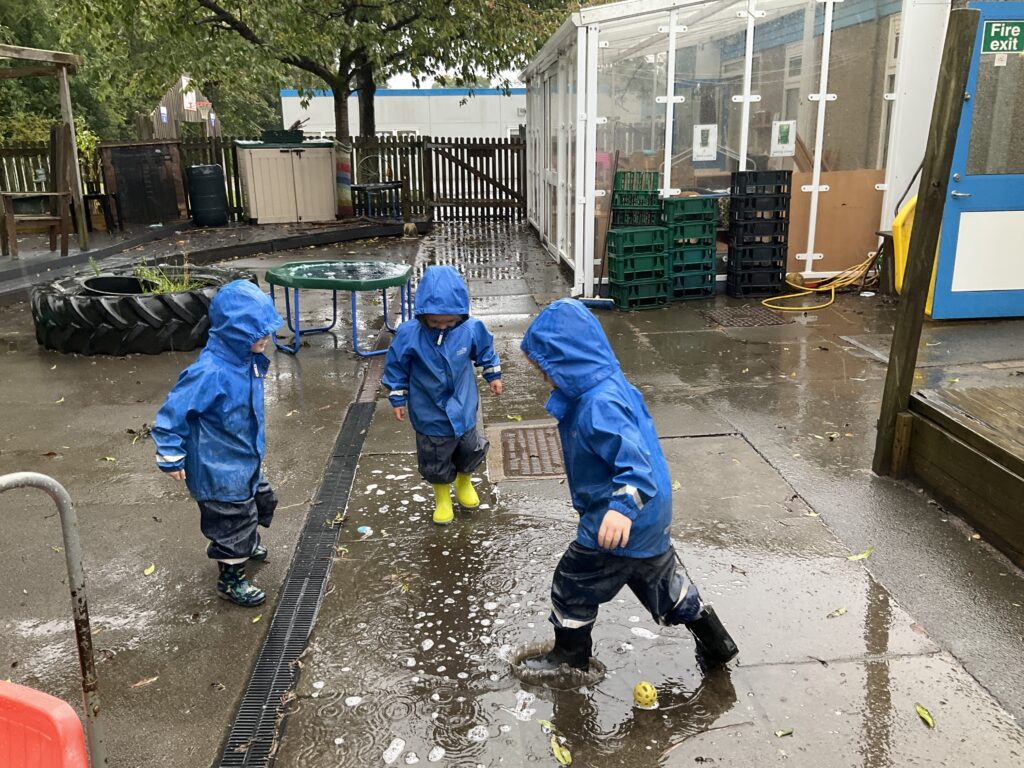
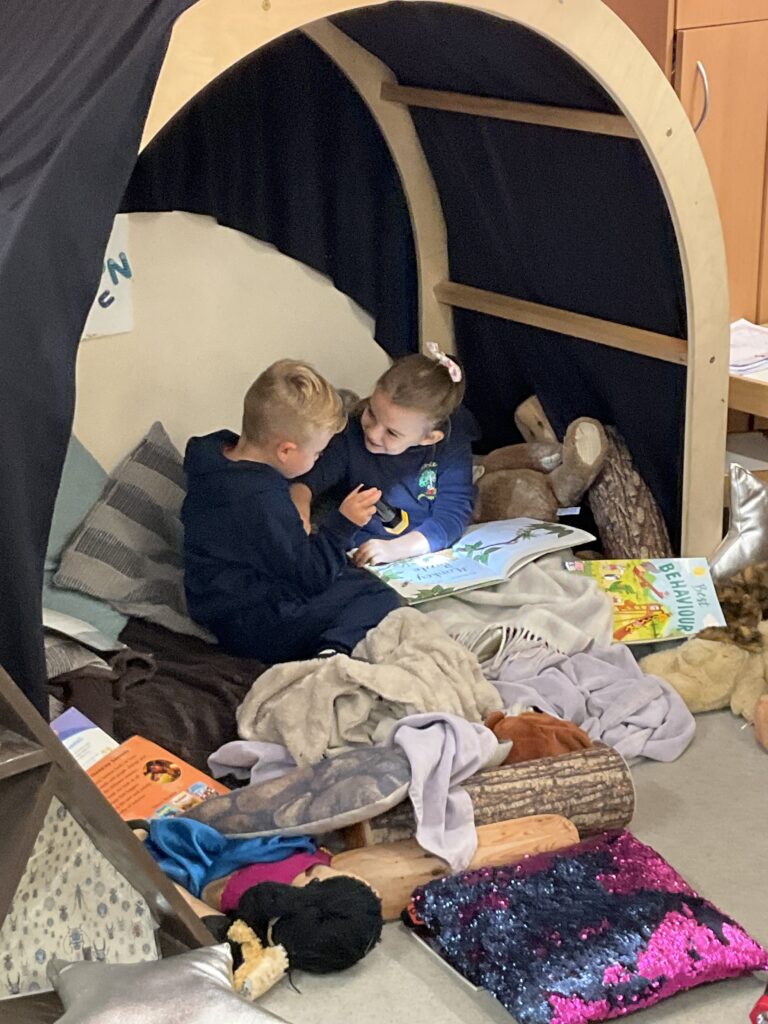
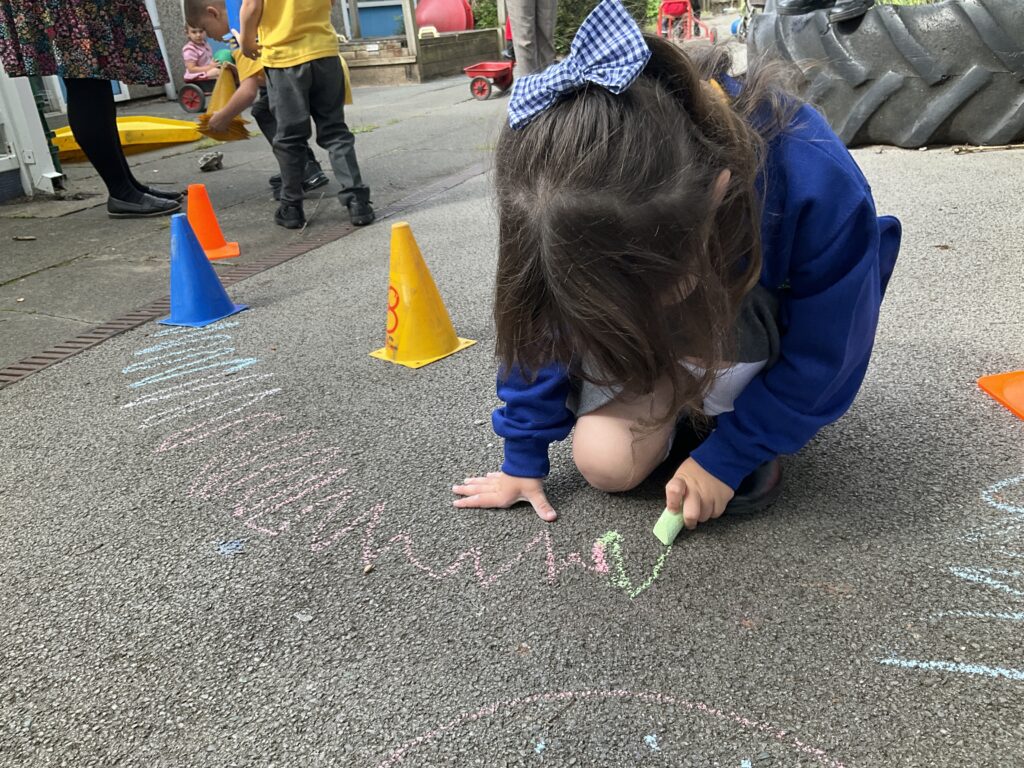
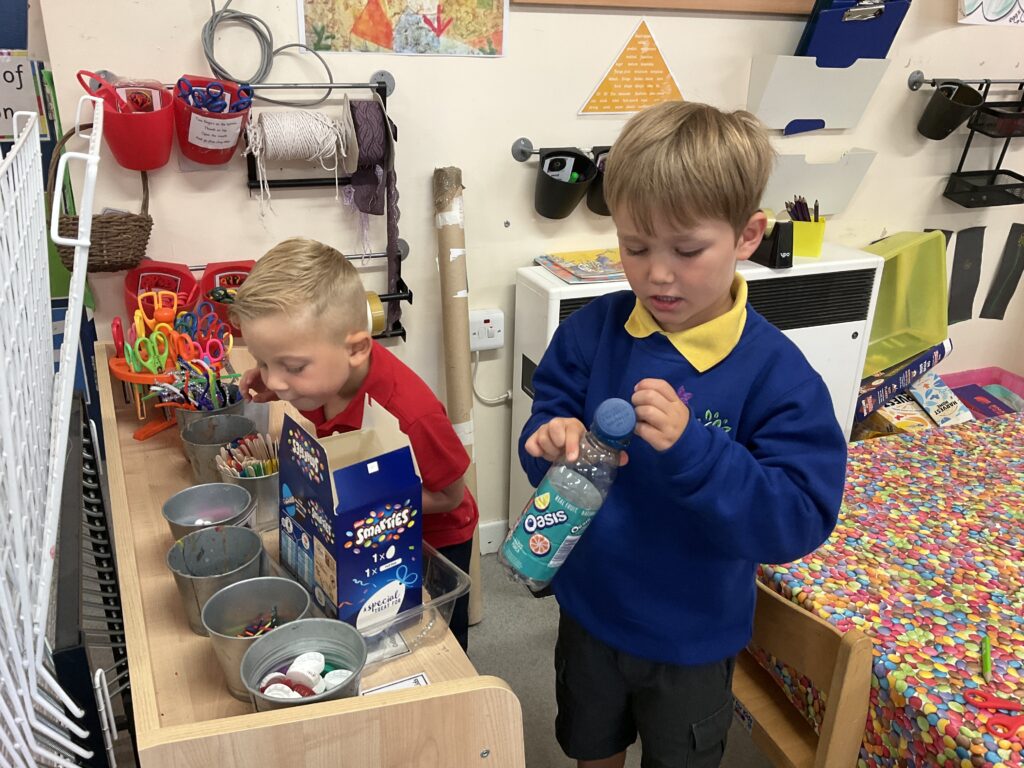
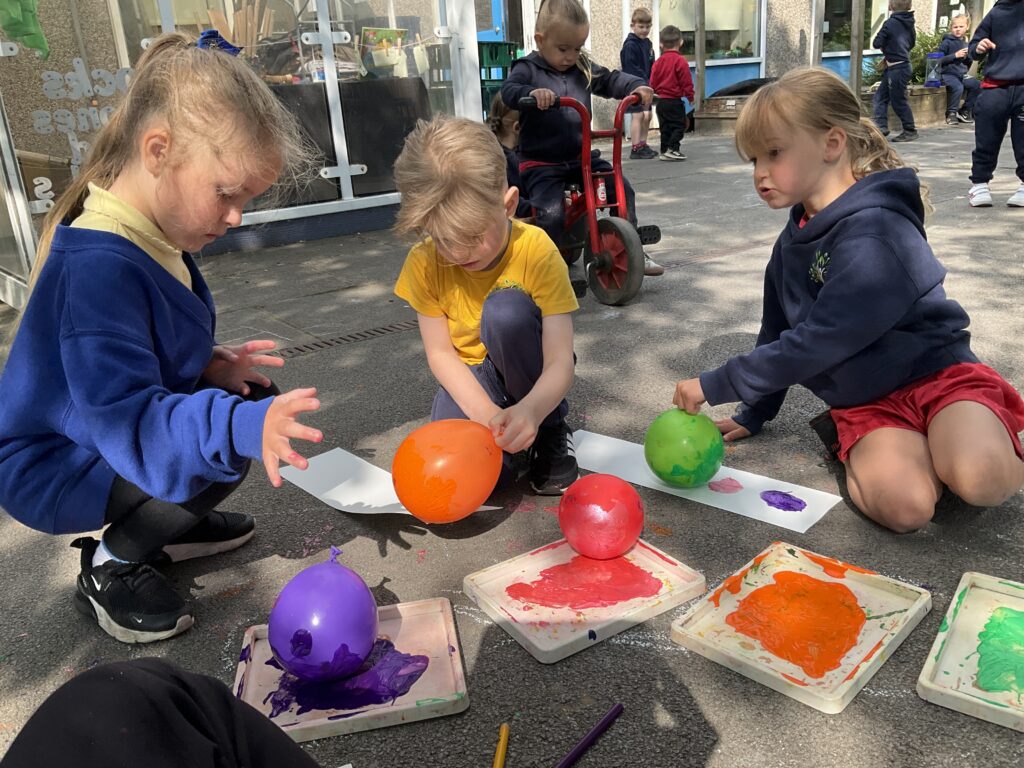
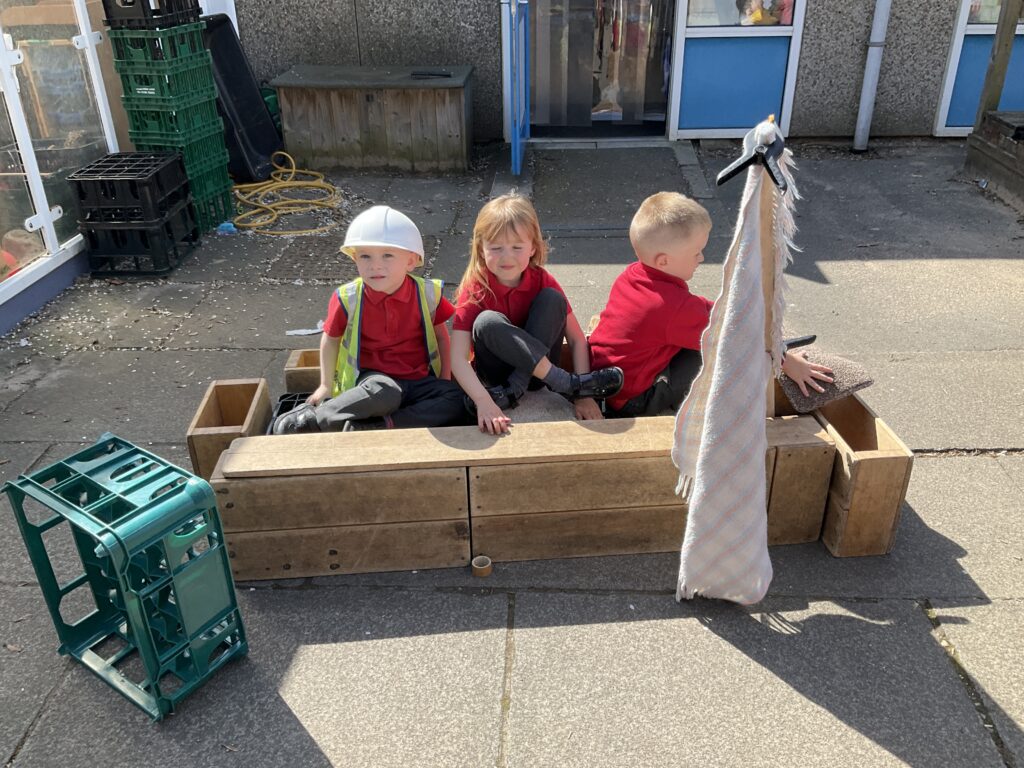
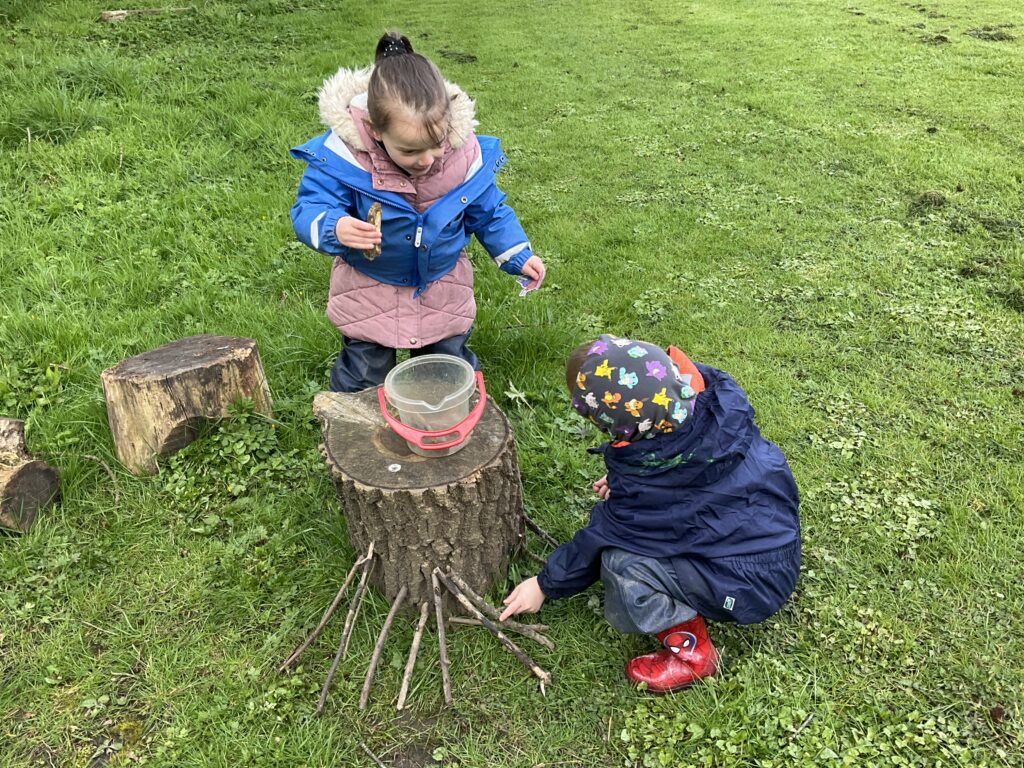
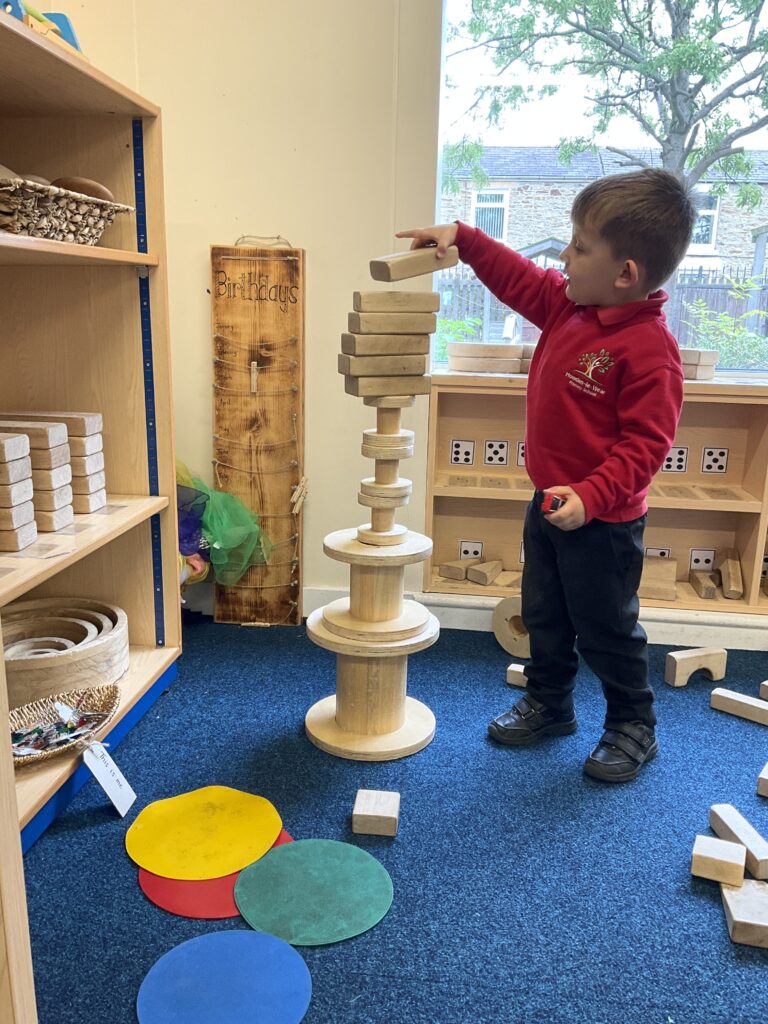
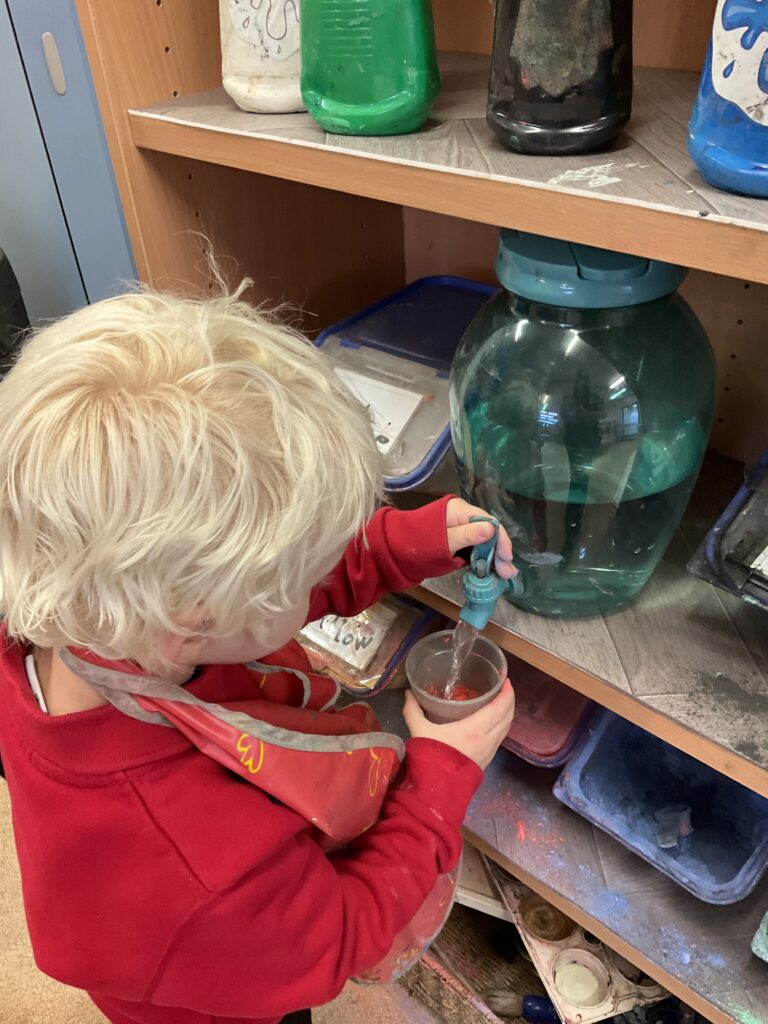
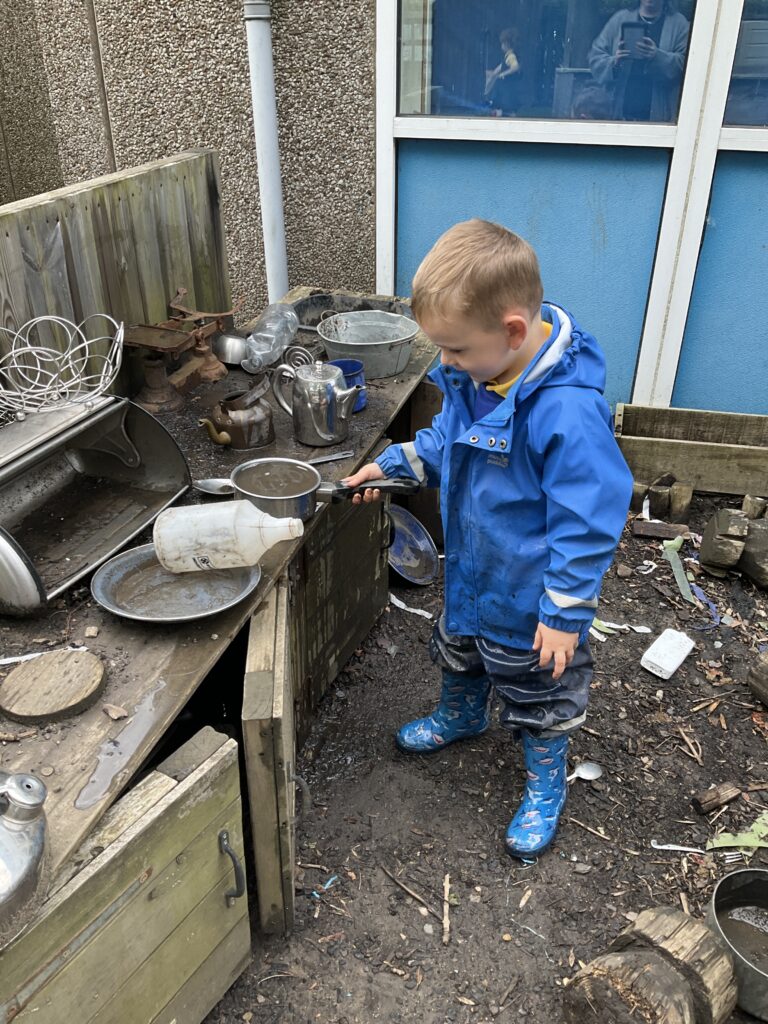
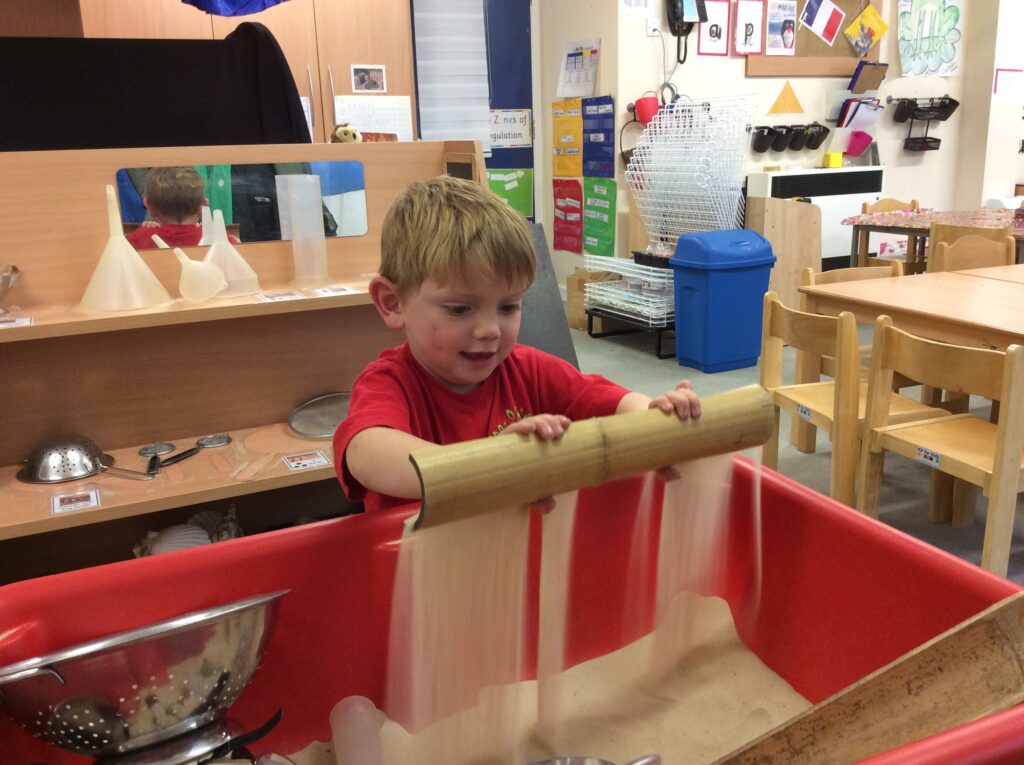
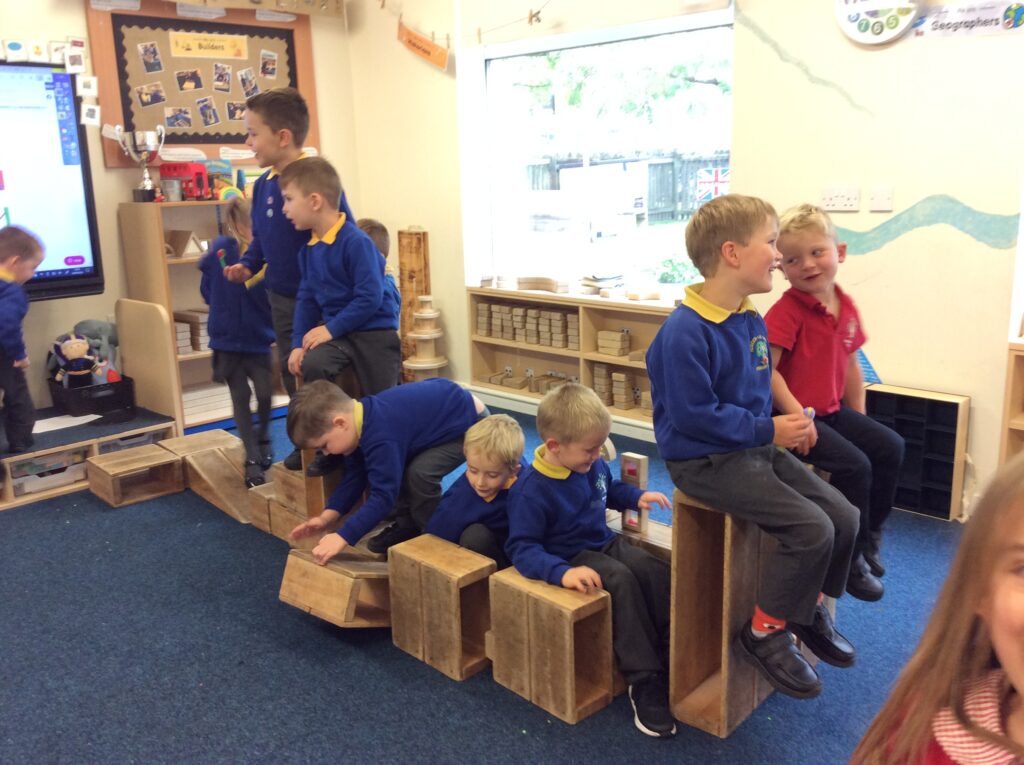
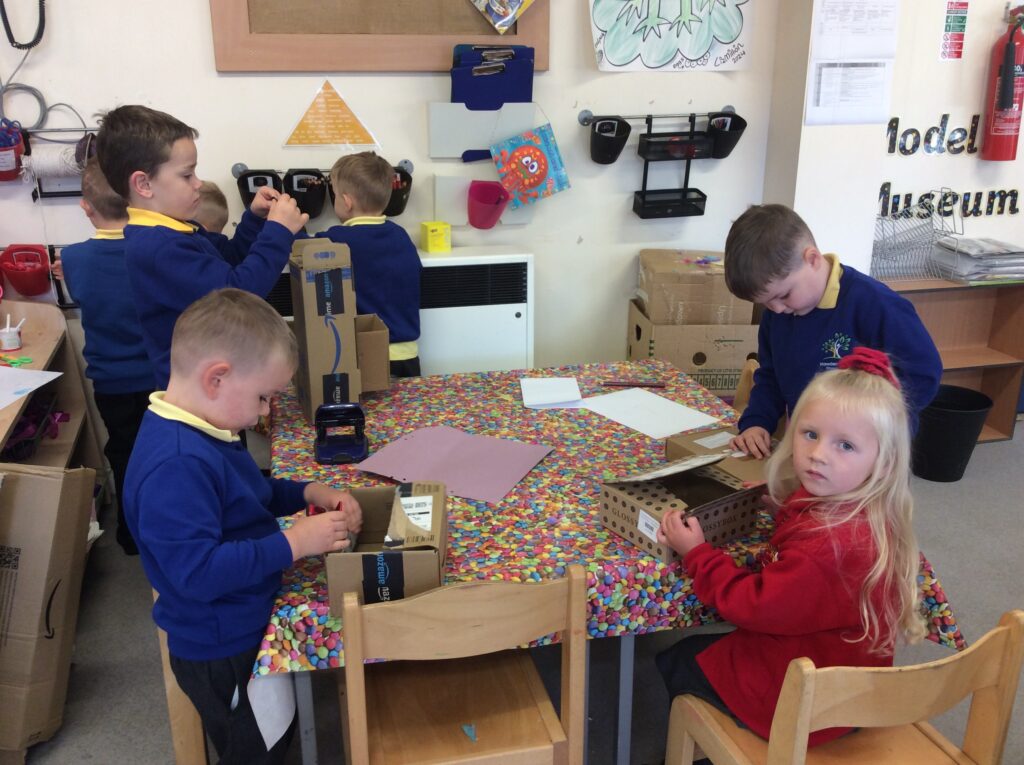
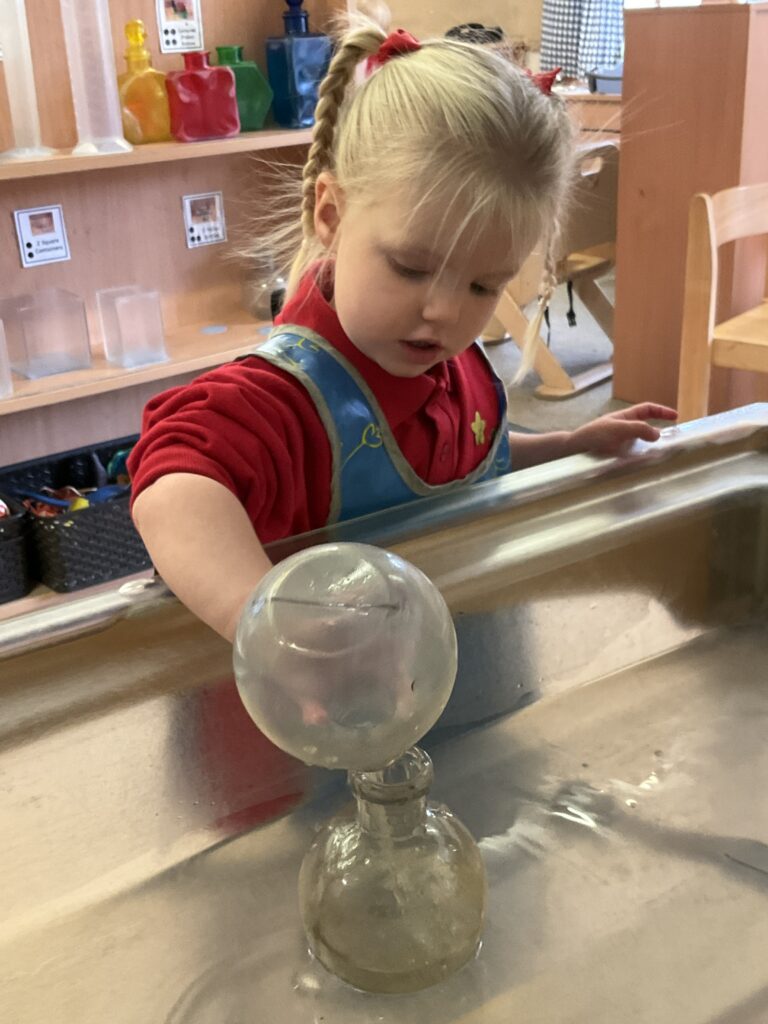
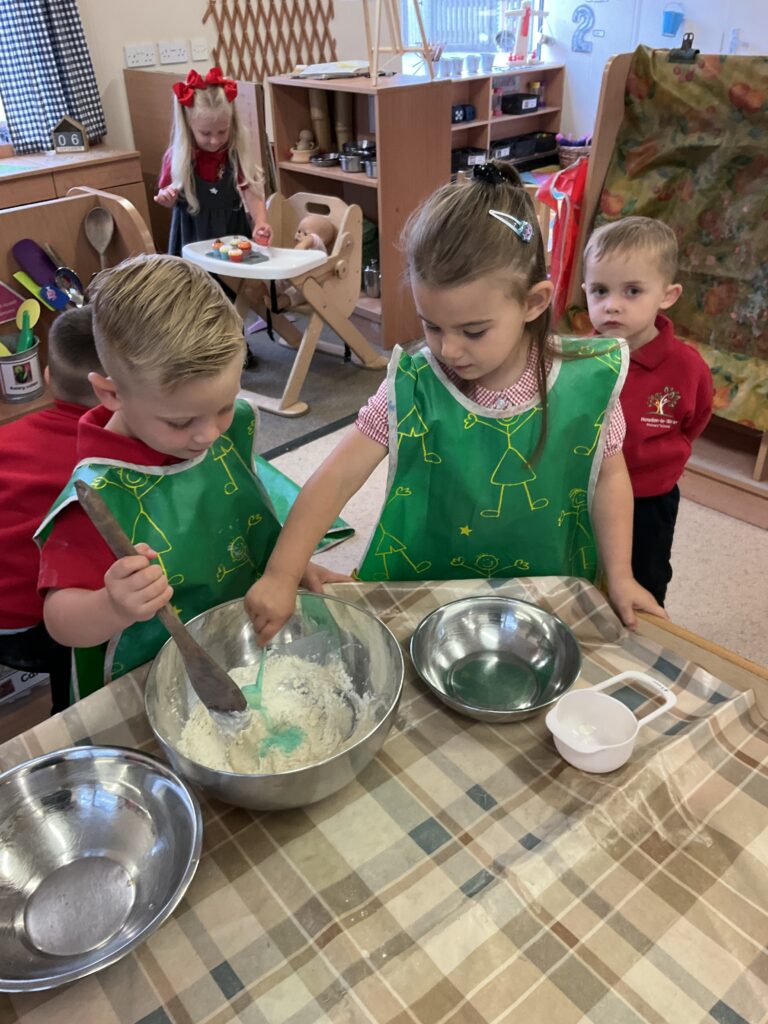
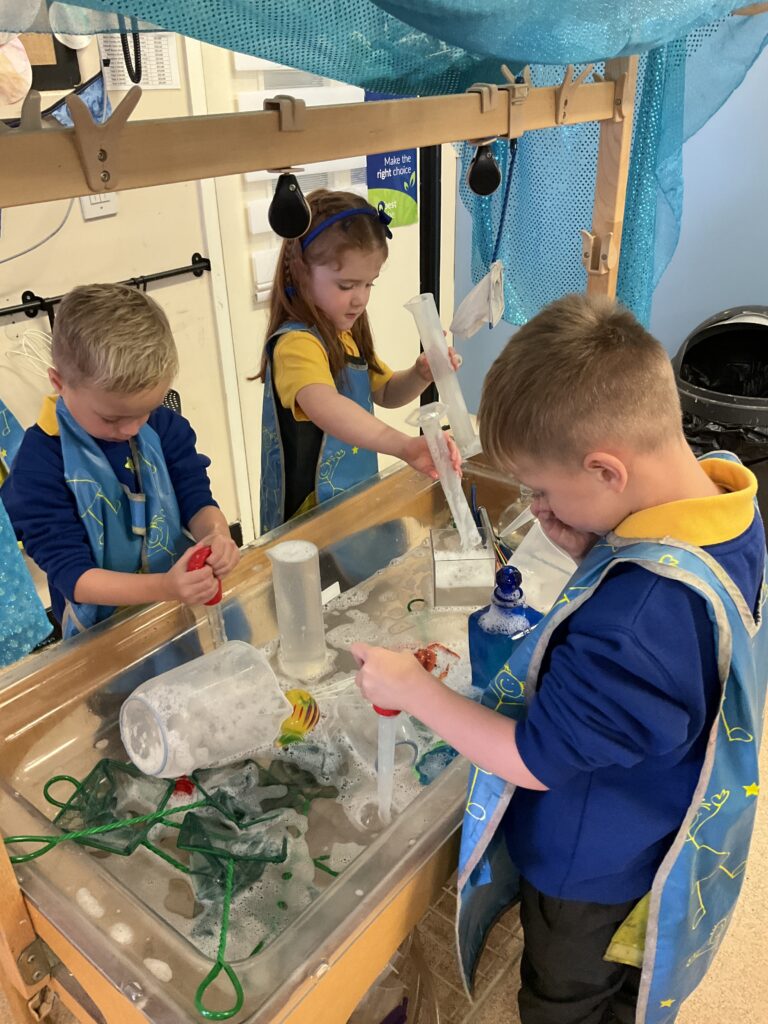
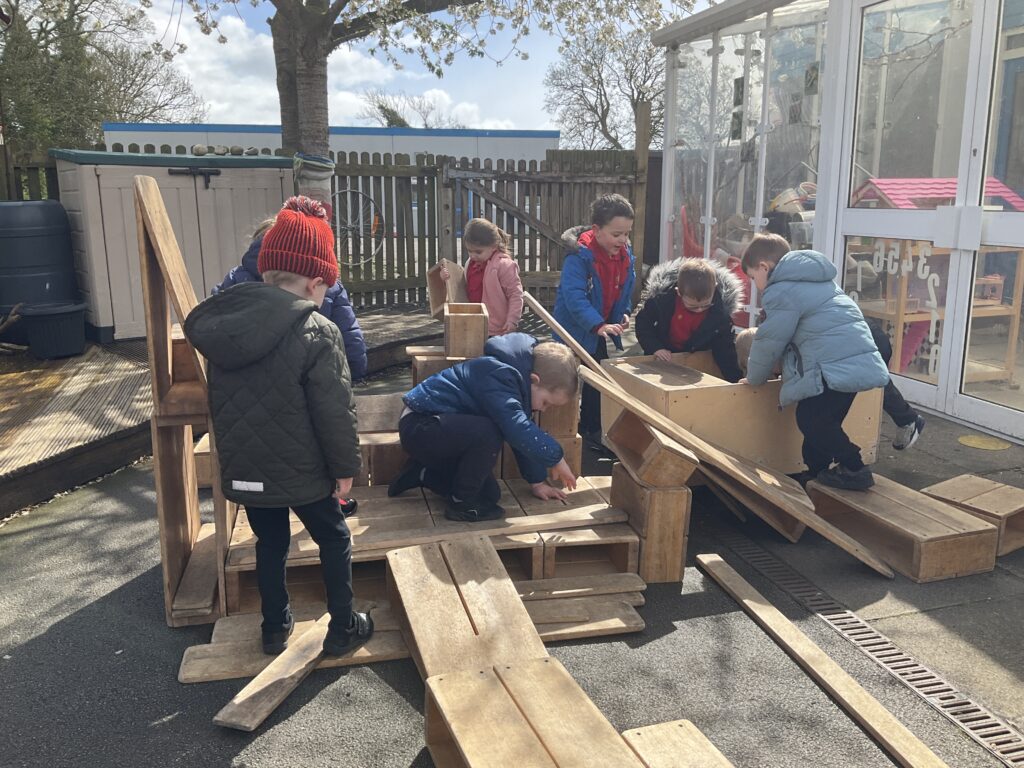
Learning through play is a crucial part of children’s development, where children learn to make sense of the world around them through play. Play is one of the essential ways in which young children gain essential knowledge and skills.
Young children naturally explore and learn many skills through play. Play is a fun and meaningful way to learn. It enables children to learn at their own level and pace while making connections. When they play, children are developing their cognitive, physical and communication skills. During the day children will take part in free play or child led play which is entirely initiated and directed by the child. The adult’s role is to observe and interact if the opportunity arises to extend learning, following the child’s interests. Children learn best when it’s something a child is attracted to.
This could be a child’s choice in playing in a certain environment or space, with a certain toy. They might want to include props in their kitchen play area, or read in the sandpit. The possibilities are endless, and it’s about them mixing things up however they like – within reason!
Adults will be responsive to the things that the child does or says, in order to keep their attention focused for an extended period of time.
The adult will plan next steps in learning and may add new resources or activities to provide opportunities for the child to deepen their learning and consolidate their skills.
Adult-led play is initiated and directed by the adult. Specific learning intentions are planned for by the adult, and each child will participate in play based activities related to these. This approach can be useful as it provides the fun and enjoyment of play whilst simultaneously focusing children’s learning in areas that they may not choose during free play.
Adult-led play gives adults the biggest role here, where the toys, areas, and games are chosen and led by the adult. They won’t be actively involved in these activities themselves, but they’ll be mentoring the children through it.
For more information, speak to Mrs Hunter or view further support information at the following link:
https://www.gov.uk/early-years-foundation-stage
EYFS at Howden Le Wear Primary School
“Mystery creates wonder and wonder is the basis of man’s desire to understand” – Neil Armstrong
We encourage our children to explore, be curious, show resilience and be respectful.
Our Principles
- All children are entitled to high quality learning and teaching. This will equip them with the skills, knowledge and understanding they need today, and prepare them well for tomorrow.
- Children learn at different rates and each child’s development is unique.
- Children learn best when they are happy, secure and actively involved in their own learning. We discuss children’s learning with them. We make children’s enjoyment and choices our priority.
- Effective teaching and learning in the EYFS meets children’s identified needs and interests and helps children to learn and develop in all seven areas of learning and development.
- Different aspects of early learning require different approaches. Much of early maths learning is sequential: learning new concepts must build on the solid foundations of earlier concepts. On the other hand, learning about the world is much less sequential. The order of learning matters less than building on children’s interests and widening their horizons.
- We are open. We regularly discuss and review our work with each other, and with parents. This discussion and review helps us to ensure that children take part in learning with joy and enthusiasm. It helps us to ensure that their learning in nursery prepares them well for reception, so that they can confidently handle a transition and continue their learning journey.
- Curriculum development is practitioner development: what we do, and how we do it, matter equally.
- Every child can progress well in their learning, with the right support. Every child can thrive.
Our Curriculum
We want our children to have the very best start to their education and prepare them for school. We offer a curriculum that promotes learning, is fun and offers exciting opportunities for all learners.
Howden-Le-Wear Nursery EYFS Curriculum Overview 2025 Nursery Curriculum overview
Howden-Le-Wear Reception EYFS Curriculum Overview 2025 Reception Curriculum overview
Our 7 Curricular Goals
We have high expectations for our all of children in Nursery and Reception. We call these our goals and they are ambitious end points for the end of each phase.
Early Years Goals And Ambitions
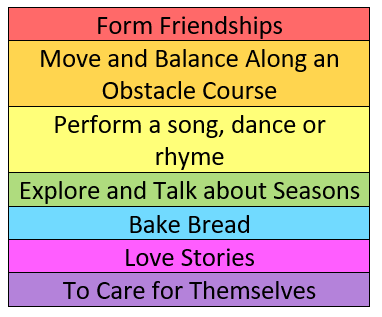
EYFS Areas of Learning
There are 7 areas of learning in Early Years.
1. Personal, Social and Emotional Development
We support children in developing confidence and independence. We encourage them to begin to form positive relationships and respect for each other. Children learn about managing their own feelings and behaviours. We support the development of attention and concentration skills.
2. Communication and Language Development
We provide a language rich environment, encouraging the children to speak and listen in a variety of situations. We provide extra support for those children who need to build confidence or develop their speaking skills.
3. Physical Development
We give children opportunities to be active and to develop their co-ordination, control and movement. We also teach children about the importance of good hygiene habits, fresh air and healthy food choices.
4. Literacy
Children are given access to a wide range of books and stories to ignite their interest. They are encouraged to link sounds and letters, and early reading and writing is developed.
5. Mathematics
Children are provided with opportunities to develop their understanding and recognition of numbers, quantities and patterns. They are also given frequent opportunities to use shapes, spaces and measures within their play.
6. Understanding the World
We support children’s understanding of the world and their community through opportunities to explore, observe and find out about places, people, the environment and the natural world.
7. Expressive Art and Design
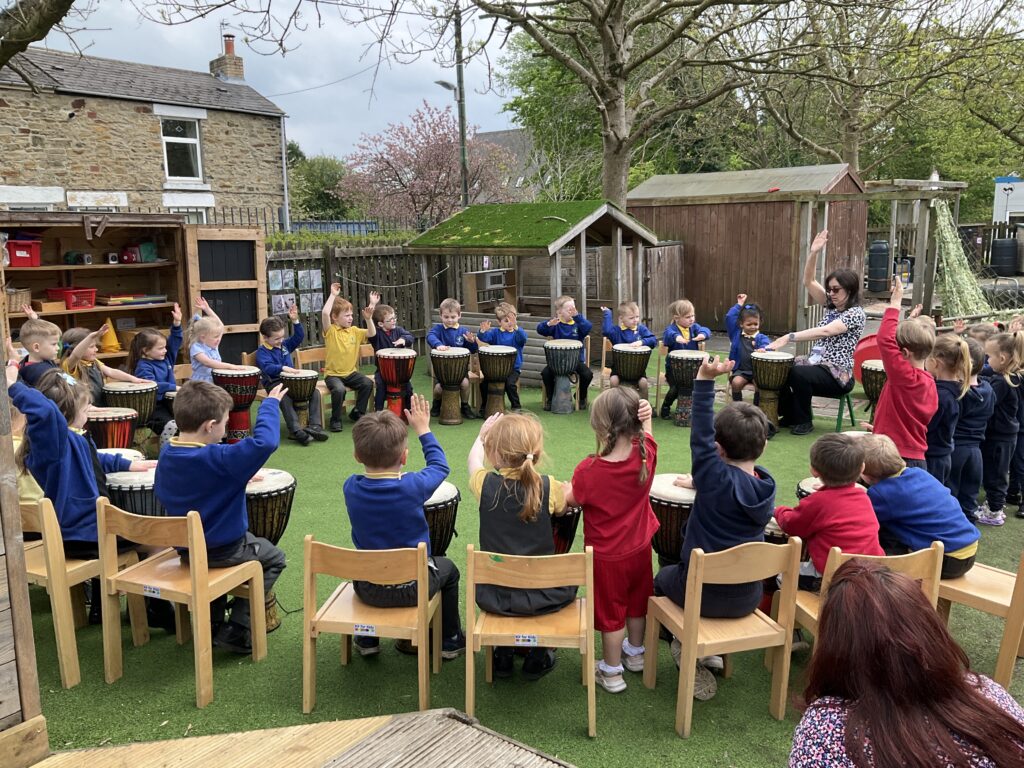
Children explore a wide range of media and materials. They will experience a wide range of songs, rhymes, movement activities and stories.
We value and prioritise quality conversations, alongside singing and repetitive rhymes/stories. All of this supports children’s vocabulary acquisition and use.
EYFS Long Term Planning
Howden Le Wear EYFS Long Term Overview
How does learning in our EYFS link to learning in foundation subjects in school?
HLW-EYFS-links-to-History-and-Geography
Phonic (Early Reading) information for Parents:
Please refer to the Phonics section of our website